
Creating a Berrytopia in Your Garden: Why it’s Important and Who it Attracts
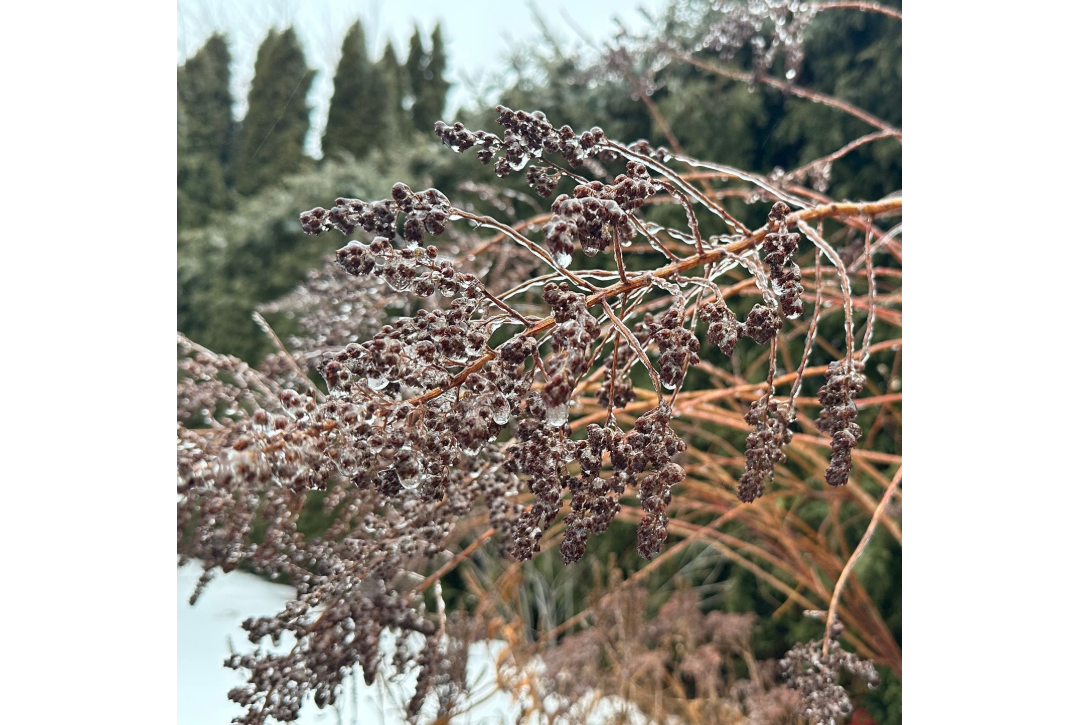
A garden of native, berry‑rich plants that nourish wildlife year‑round! A Berrytopia isn’t just lovely: it is a powerful step toward restoring nature right where you live. These plants are ecological powerhouses. In the fall, they produce nutrient and fat-rich berries that serve as a critical food source for more than 60 bird species in Ontario. Vireos, thrushes, cedar waxwings, and many other migratory birds rely on these berries to fuel their long journeys.
Beyond food, shrubs provide essential structure within the landscape. Their dense branching creates safe nesting sites and offers shelter from predators, wind, and harsh weather, features that open lawns and sparse gardens simply cannot provide. By mimicking the complexity of natural ecosystems, layered planting turns even small spaces into vibrant, resilient communities where biodiversity can flourish.
In spring, their blossoms support a wide diversity of pollinators. The nectar-rich flowers attract native bees, butterflies, and other beneficial insects. These insects, in turn, become an important food source for insectivorous birds such as flycatchers and swallows, linking these plants directly to the broader food web.
Many understory shrubs also serve as host plants for butterflies, supporting them through their entire life cycle. Red-osier dogwood and alternate-leaved dogwood, for example, host Azure butterflies during their larval stage. New Jersey tea and serviceberry support additional species such as mottled duskwing, tiger swallowtail, admiral, and viceroy butterflies. In the genus Viburnums; highbush cranberry, arrowwood and nannyberry provide a host habitat for the hummingbird clearwing moth and the samia cynthia moth.
Several native Ontario shrubs have a critical role in restoration because they stabilize soils, support diverse wildlife, and thrive in disturbed or changing environments. Species such as red‑osier and grey dogwood, viburnums, and serviceberries provide food, habitat, and erosion control, making them some of the most ecologically important shrubs to include in restoration projects or your backyard.
Even planting a single native shrub can significantly increase the biodiversity in your yard. These plants provide food, shelter, nesting habitat, and host sites, supporting wildlife at every stage of life and helping to restore the layered habitat that healthy ecosystems depend on.
Inspired to add shrubs to your landscape? Find a beautiful selection of native species at our upcoming Native Plant Sale.
