
Trees are SuperCool: Supercooling as a Winter Survival Strategy
Anelia’s Tree Corner
Interesting facts and tree care tips from certified arborist Anelia Tichkova
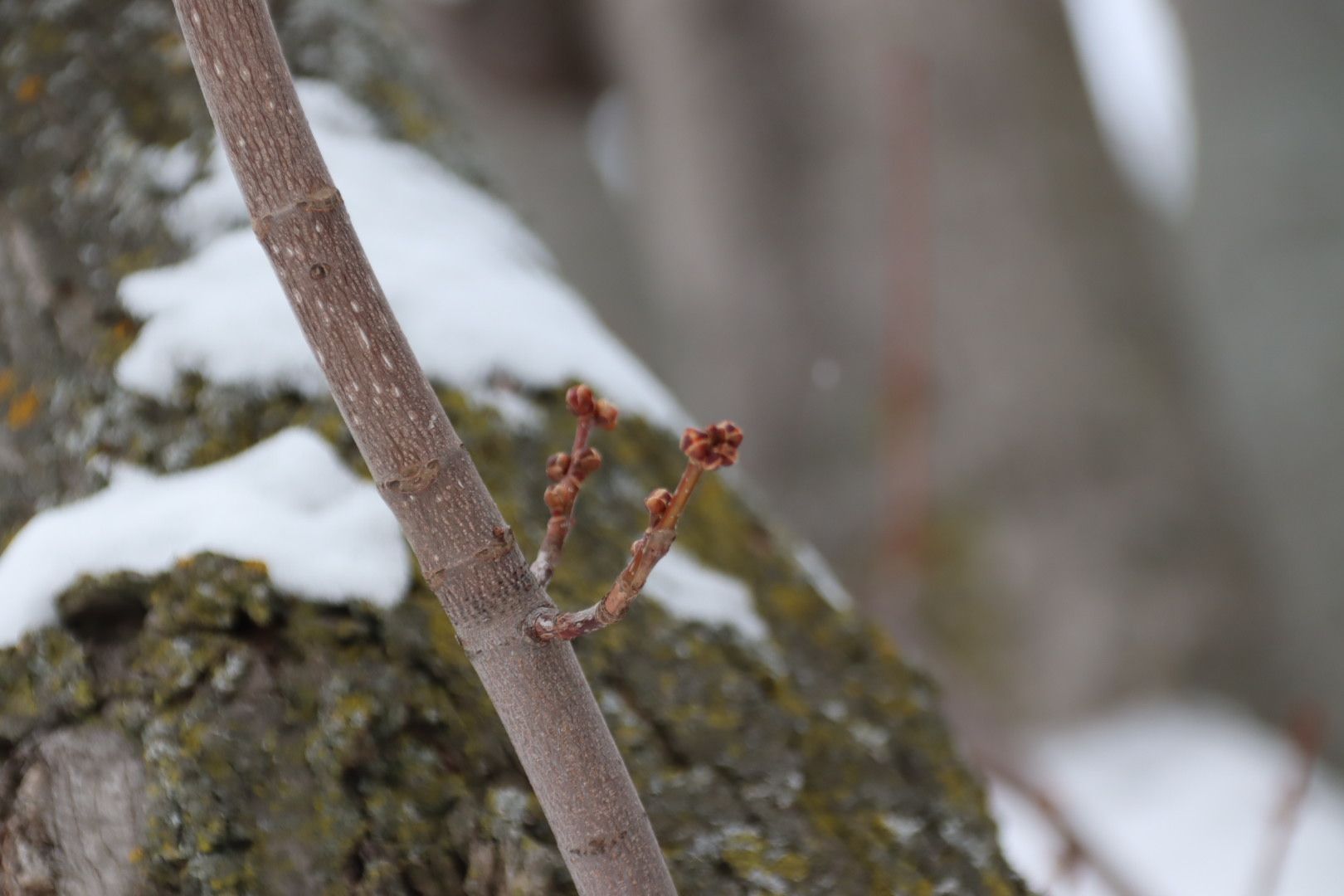
What Is Supercooling?
In cold winter months, trees need to prevent intracellular freezing, especially in delicate tissues like buds, flowers, and new shoots. Supercooling is a process where water inside a tree’s cells stays liquid even below 0°C, avoiding ice formation that would otherwise harm cell membranes. It is a controlled, temporary state that buys the tree time during cold snaps.
How Does Supercooling Work?
- Trees remove ice-forming particles from cells
- They increase sugars and solutes to lower the freezing point, serving as natural anti-freeze.
- They move water out of cells so ice forms only outside.
- They use flexible cell walls to tolerate shrinkage.
Which Trees Use Supercooling?
Many trees rely on supercooling, but different tissues use it in different ways. In temperate and boreal species, buds are especially known for their ability to supercool deeply. Some common supercoolers are: Cherry, Apple, Plum, Maple, Birch, Beech, Oak, Aspen, Willow, Spruce, Fir, and Larch.
Does Supercooling Have Limits?
Supercooling has limits. Once temperatures fall below a species’ tolerance, ice forms inside the cells and the tree dies. For many tree species, the limit is around –40 °C; below that point, ice forms inside the cells and causes fatal damage. This temperature threshold explains why some trees can not survive in extremely cold climates, or they use other strategies.